

Warwick Woodley
•
The Hidden Risks of International Moving in 2025–2026
Moving abroad is exciting, but 2025–2026 presents unique challenges. Learn about data-backed risks from port congestion to customs delays that could turn your relocation into a costly nightmare.
International Moving2025 TrendsShipping RisksPort CongestionMoving Tips
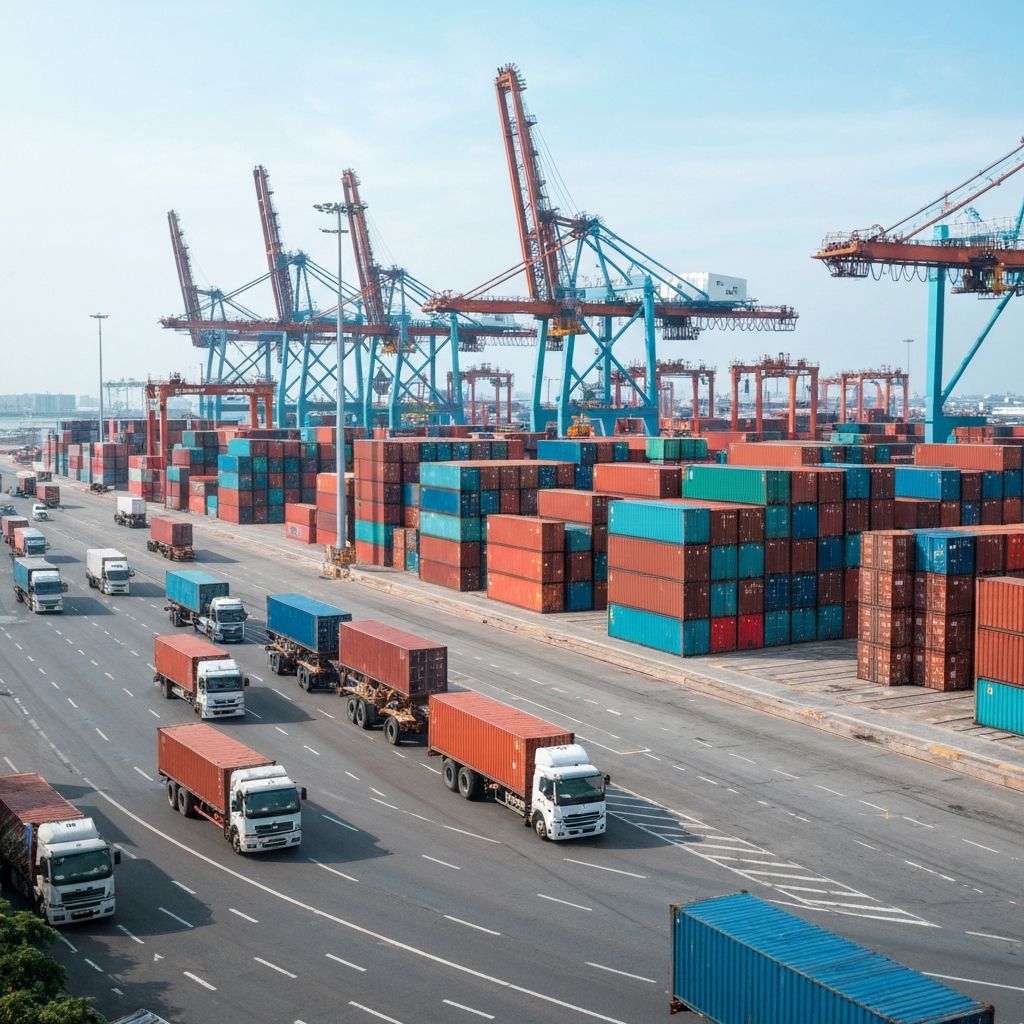
Moving abroad, with all the promise of a fresh start, often feels like one big adventure. But behind the excitement, there are real-world, data-backed risks that can turn relocation into a logistical and financial nightmare. In this article, we walk through the less visible hazards, supported by current trends and recent data, to help anyone planning a big move abroad think twice, or at least prepare with a proper buffer.
Why 2025–2026 Is a Risky Time for Moving
Global shipping and port operations remain under extraordinary strain. Several recent analyses show significant pressure on major hubs, shipping schedules, and container availability. What used to be a relatively predictable relocation can now involve unexpected delays, extra costs, or worse.
Key Statistics:
- June 2025: Global port delays surged by 300 percent
- Vessel waits: Many major terminals reported delays of 10+ days
- Port of Long Beach: Handled 8.2 million TEUs by October 2025 (busiest 10-month stretch on record)
- LA/Long Beach congestion: Processing delays up to 10 days
- Freight rates: Increased by 20-30% in many cases
These pressures make 2025 and 2026 particularly challenging years for international relocation.
1. Customs Inspections and Regulatory Risks
One major, often underestimated, risk is customs inspection and regulatory compliance. When you ship household goods internationally, you must pass through legal checks and documentation reviews that can be both strict and unpredictable.
With tighter global trade regulations and increased focus on supply chain security, containers arriving at major ports are more likely to be flagged for inspection.
⚠️ Warning Signs:
- Inspections can delay shipments by several days or even weeks
- One flagged item in group shipments delays everyone
- Incomplete or incorrect documentation leads to customs holds or seizure
- Shipments entering ports like Long Beach face higher inspection rates
2. Shipping Delays and Port Congestion
Container shipping has become highly volatile. Congestion, rerouting, and global trade disruptions have made delivery timelines far less reliable.
- Reports from June 2025 show nearly all major container ports experiencing congestion
- Some vessels were delayed over ten days
- At the Port of Los Angeles, average container dwell time was around 5.7 days
- Port delays ripple through inland transport and final delivery logistics
Reality check: You might plan for a four-week delivery, only to end up waiting six or seven weeks.
3. Container Shortages and Storage Costs
Even if port operations are running, there may not be enough containers or chassis available. This can lead to costly delays or rescheduling. Whether you're using a sole-use container or groupage service, container availability remains a critical concern.
💰 Hidden Costs Alert
- Global container imbalances on high-demand routes (Asia to U.S.)
- Delays at ports force shipping companies to push back sailings
- Containers that can't be cleared quickly accumulate daily demurrage fees
- Storage fees can run $75-$300 per container per day
For international movers, these hidden fees can quickly spiral out of control.
4. Global Disruptions and Route Volatility
Unpredictable global events also affect shipping reliability. Conflicts, labor strikes, and supply chain disruptions are increasingly common.
- Shipping companies have rerouted vessels to avoid maritime security risks
- Reroutes increase fuel consumption and costs passed to customers
- Shipments can be delayed by external political or security factors
5. Visa Delays and Entry Timing Risks
Visas, residency permits, and other immigration documents can create logistical timing problems.
If your visa is delayed but your shipment arrives, you may not be allowed to enter the country or receive your goods. In such cases, you'll likely incur temporary storage or port handling fees. In worst-case scenarios, your shipment could be rerouted or returned.
✓ Pro Tip:
Align your visa timeline with your shipping schedule as closely as possible to avoid costly storage fees and complications. Get professional guidance to coordinate these critical timelines.
6. Budget Overruns and Unexpected Charges
Many people underestimate how much an international move really costs. Beyond basic shipping, you'll need to consider currency exchange rates and transfer fees when paying international moving companies and settling into your new country.
💸 Cost Reality Check
•
Port congestion or customs delays can lead to demurrage charges of $75-$300 per day
•
Last-minute air freight of essentials adds thousands to your budget
•
Basic insurance may not cover damage from inspections or long-term storage
•
A "fixed quote" often becomes a starting point - always expect additional charges
7. Why 2025–2026 Is Uniquely Challenging
Several overlapping trends make this a particularly difficult time to relocate:
🚢 Port Issues
LA and Long Beach running at record capacity with persistent congestion
🌍 Global Instability
Political and economic disruptions affecting shipping lanes worldwide
📈 Rising Costs
Inflation increasing expenses at every step, from fuel to warehouse space
📋 Visa Backlogs
Processing has slowed in many countries, especially post-pandemic
Moving internationally is always complex, but right now the margin for error is even slimmer.
8. Loss or Damage to Personal Belongings
Things go wrong, and sometimes they go very wrong.
⚠️ Inspection Damage
Shipments opened during inspections are more prone to damage or theft
🌧️ Environmental Hazards
Poor packing, extreme weather, or repeated transfers increase wear and tear
📋 Insurance Gaps
Without proper insurance coverage, you may have little recourse
🚨 Worst Case Scenario
In rare cases, shipments are lost or destroyed
🛡️ Protection Strategy:
Back up your most important possessions digitally and consider shipping irreplaceable items separately with enhanced insurance coverage.
9. How to Reduce Your Risk
Here are some practical tips to help manage these risks:
✓ Risk Reduction Checklist
1
Leave a buffer: Add at least 20-30% to your timeline and budget for unexpected delays and costs
2
Full insurance coverage: Include storage and customs delays in your policy
3
Triple-check documentation: Mistakes can cost you weeks of delays
4
Ship essentials separately: Or carry them with you, or use expedited air freight to avoid being without critical items
5
Monitor shipping conditions: Track port congestion before committing to schedules
6
Have a contingency plan: Alternative housing and backup plans if shipments are delayed
Conclusion
Relocating to another country in 2025 or 2026 involves more than packing boxes. With port delays, customs complications, and geopolitical instability, international moving has become a high-stakes game.
The rewards are still there — new cultures, opportunities, and experiences — but getting there may take more time, money, and patience than ever before. Learn more about our proven international moving process and how we help families navigate these challenges.
Need Expert Guidance for Your 2025-2026 Move?
With 40+ years of international moving experience, we understand these challenges and can help you navigate the complexities of relocating during this volatile period.
Get Your Free ConsultationWarwick Woodley
Founder & CEO, MoverFocus
40+ Years Experience
International Moving Expert
With over four decades of hands-on experience in international moving and freight forwarding, Warwick brings unparalleled expertise to every relocation. As a former FIDI Academy trainer, he's trained movers worldwide and now uses that knowledge to deliver a more personal, transparent approach to international moving.
"International moving should feel personal, not transactional. That's the core value I built this company on."
Related Articles

Warwick Woodley•
Large International Money Transfers: The Complete 2026 Guide
Everything you need to know about transferring large sums (£10,000+) internationally. Compare providers, understand regulations, manage currency risk, and save thousands on fees.
Read more →
Warwick Woodley•
Currencies Direct Review 2026: Fees, Rates & Is It Worth It?
In-depth review of Currencies Direct for international money transfers. We analyze fees, exchange rates, features like forward contracts and the multi-currency card, and compare it to Wise and banks.
Read more →
Warwick Woodley•
NZ Golden Visa 2026: Complete Guide to New Zealand's Active Investor Plus Visa
Everything you need to know about New Zealand's Golden Visa (Active Investor Plus Visa): investment categories, costs from NZD $5M, processing times, eligibility requirements, and the pathway to permanent residence. Updated with March 2026 statistics.
Read more →